

The Stages of Alcoholism Explained Early, Middle and End-Stage
The Healthline FindCare tool can provide options in your area if you need help finding a mental health specialist. Unlike cocaine or heroin, alcohol is widely available and accepted in many cultures. It’s often at the center of social situations and closely linked to celebrations and enjoyment. For men, this low-risk range is defined as no more than 4 drinks on a given day and no more than 14 per week. Remember that changing deep habits is hard, takes time, and requires repeated efforts.

Theories suggest that for certain people drinking has a different and stronger impact that can lead to alcohol use disorder. During the metabolism of alcohol via the respective dehydrogenases, nicotinamide adenine dinucleotide (NAD) is converted alcoholism into reduced NAD. Normally, NAD is used to metabolize fats in the liver, and as such alcohol competes with these fats for the use of NAD. Prolonged exposure to alcohol means that fats accumulate in the liver, leading to the term ‘fatty liver’.
Do I Have an Alcohol Problem?
Three medications are currently approved in the United States to help people stop or reduce their drinking and prevent relapse. They are prescribed by a primary care physician or other health professional and may be used alone or in combination with counseling. Many people struggle with controlling their drinking at some time in their lives. More than 14 million adults ages 18 and older have alcohol use disorder (AUD), and 1 in 10 children live in a home with a parent who has a drinking problem. By working together effectively, the negative health and social consequences of alcohol can be reduced.
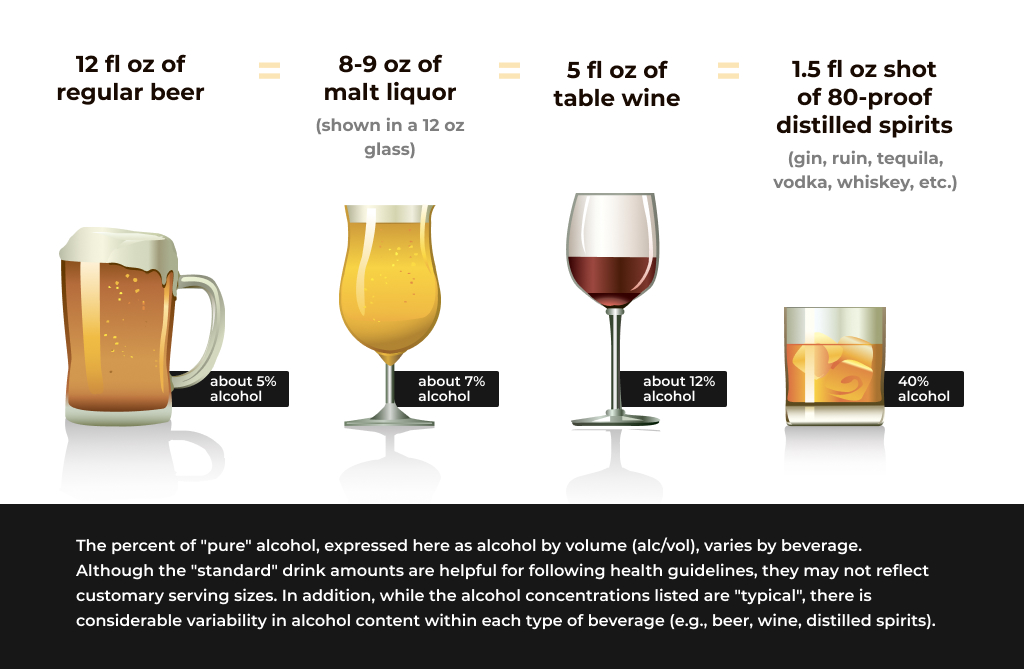
Learn up-to-date facts and statistics on alcohol consumption and its impact in the United States and globally. Explore topics related to alcohol misuse and treatment, underage drinking, the effects of alcohol on the human body, and more. Loved ones are an integral part of the addiction recovery process, but they need to balance their own needs in addition to providing support.
What are the symptoms of alcoholism?
If the alcohol part (more specifically, the hydroxyl group) is just a substituent of a molecule (i.e., there exist higher priority functional groups), then we put the prefix “hydroxy-” in front of the parent name of that molecule. Tertiary alcohols feature a hydroxyl group attached to the carbon atom, which is connected to 3- alkyl groups. The presence of this -OH group allows the alcohols to form hydrogen bonds with their neighbouring atoms.

Alcohol use disorder is a medical condition involving frequent or heavy alcohol use. People with alcohol use disorder can’t stop drinking, even when it causes problems, emotional distress or physical harm to themselves or others. The end-stage alcoholic suffers from a host of physical problems, including severe damage to vital organs such as the liver. Alcohol, in fact, is the cause of more than 50 percent of liver-disease related deaths in this country, and alcohol-related liver disease costs more than $3 billion annually. Those in the end stage of alcoholism, or late or deteriorative stage, are consumed by their drinking.
Treatment
For more information about alcohol’s effects on the body, please visit the Interactive Body feature on NIAAA’s College Drinking Prevention website. Explore Mayo Clinic studies testing new treatments, interventions and tests as a means to prevent, detect, treat or manage this condition. The WHO calls alcoholism “a term of long-standing use and variable meaning”, and use of the term was disfavored by a 1979 WHO expert committee.
Laboratory tests may indicate anemia, thrombocytopenia, coagulopathy, hyponatremia, hyperammonemia, or decreased vitamin B12 and folate levels as the advanced liver disease progresses. Patients with AUDs may report additional symptoms, including frequent falls, blackout spells, instability, or visual impairment. They may also report experiencing seizures, tremors, confusion, emotional disorders, and a pattern of frequently changing jobs following a few days of abstinence from alcohol. Social challenges such as job loss, separation or divorce, estrangement from family, or homelessness may also arise. Among them, 29 million individuals had an AUD, while 2.7 million had a disorder related to illicit drug use. These statistics establish alcohol as the most prevalent substance misused in the United States.
Leave a Comment